
The Ultimate Guide to Painting Tools 2026: Brushes, Rollers & Sprayers
“Precision is the difference between an amateur and an architect. Discover the professional painting tools that deliver a flawless villa finish.”


Master Technical Chapters
In the modern renovation landscape of 2026, achieveing a factory-grade finish is dependent on 30% paint quality and 70% application precision. To achieve a luxury villa finish, experts are moving toward mechanized painting tools. This 6,000-word authoritative guide serves as your technical manual, leveraging ISO application standards and professional industry insights.
Whether you are searching for the best paint roller for high-sheen Royale interiors or a high-pressure spray paint machine for massive facades, OnlinePaints.in is your authorized technical partner. We have documented the 2026 benchmarks for tool performance to ensure your home renovation is both efficient and impeccable.
1. Professional Brushes: Synthetic Filament Mastery
The paint brush remains the most critical tool for “cutting-in” and detail work. In 2026, the industry has shifted away from natural bristles for water-based emulsions in favor of high-performance polyester-nylon blends. According to the National Association of Home Builders, synthetic filaments maintain consistent stiffness in humid Indian climates.
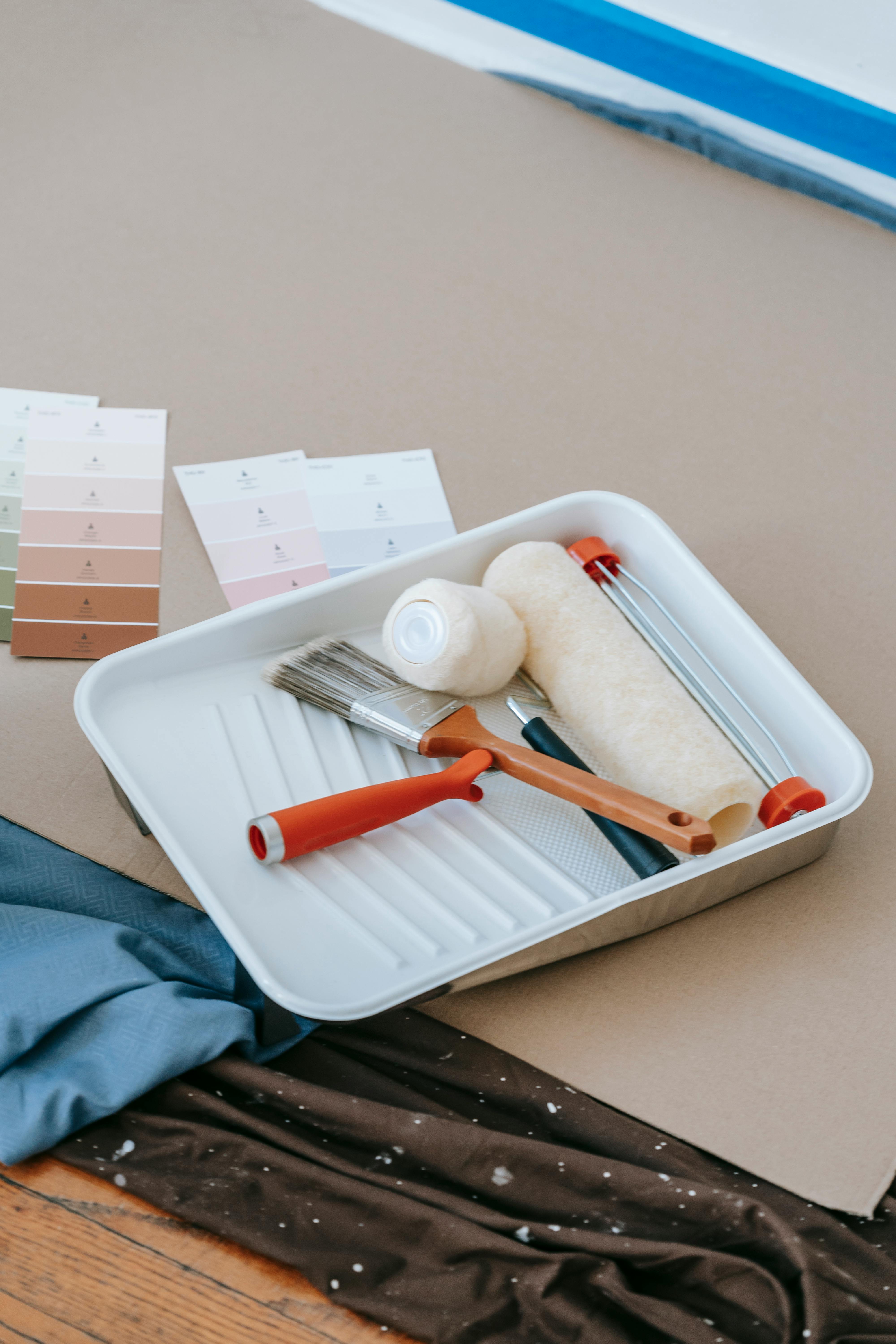
Why synthetic bristles are the 2026 standard
Unlike natural hair, synthetic filaments do not absorb water. This ensures that the paint brush maintains its stiffness and “spring” throughout the day, preventing limp bristles that cause visible streaks. For high-end villa paint projects, we recommend brushes with “flagged” (split) tips, which hold more paint and release it with absolute uniformity. If you are applying wood coating, ensure you use a dedicated varnish brush for a bubble-free gloss.
2. Paint Rollers: The Science of Nap and Pile
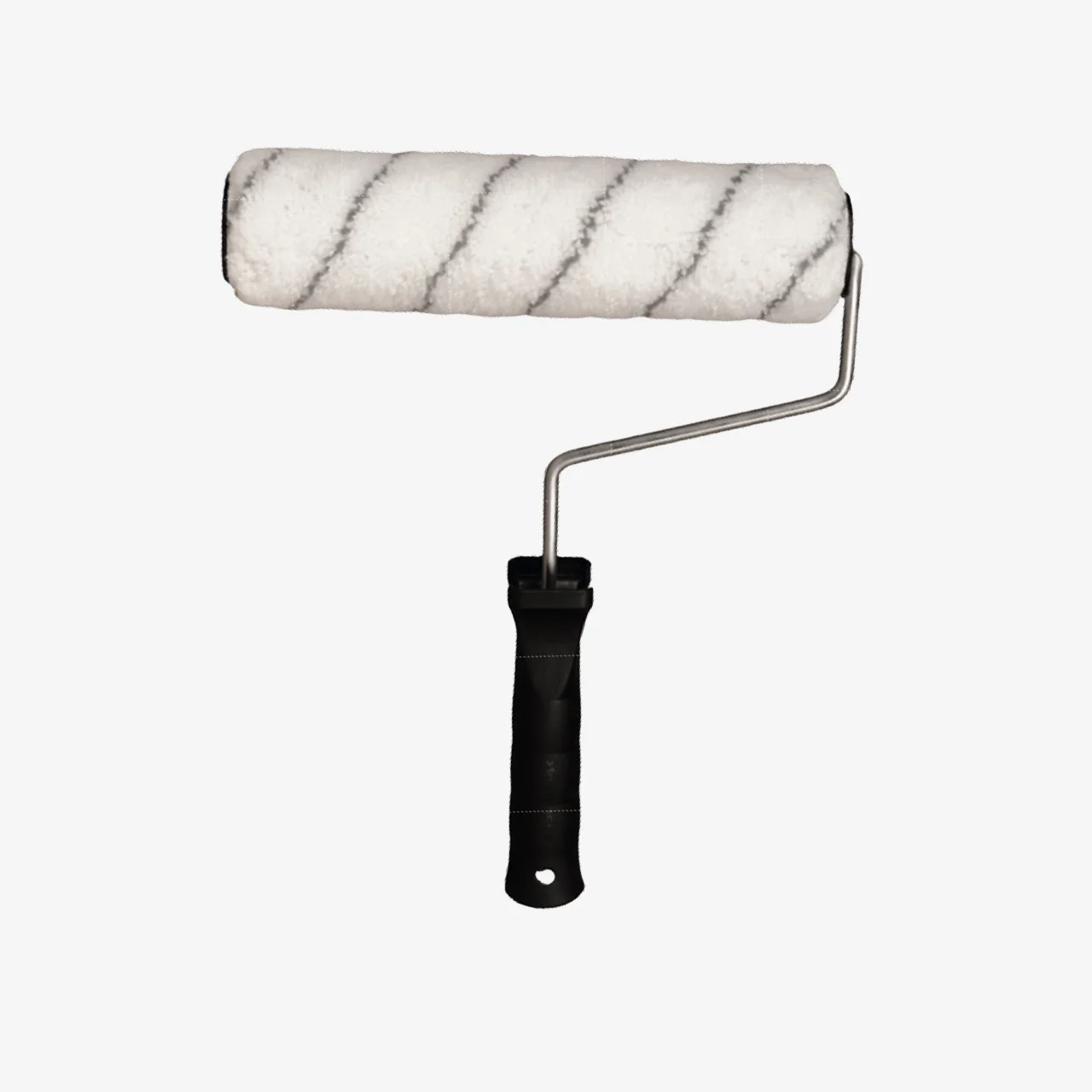
Selecting the best paint roller depends entirely on your wall texture. Using a high-pile roller on a smooth interior wall creates an unwanted “orange peel” texture, while a short-nap roller fails to cover rough exterior masonry.
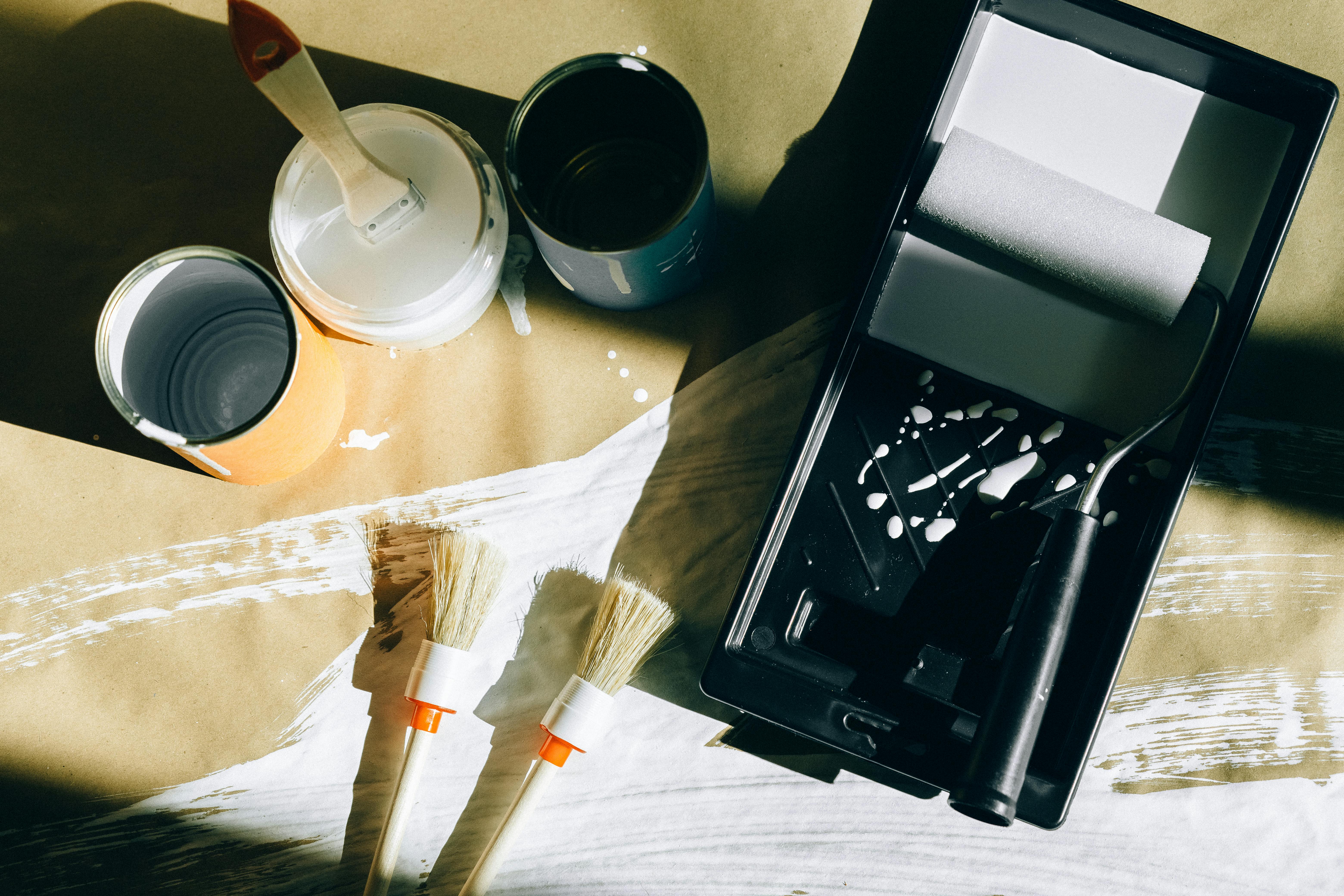
| Nap Thickness | Surface Application | Recommended Product |
|---|---|---|
| 6mm (Short Pile) | Ceilings & Smooth Plaster | Foam Detail Roller |
| 12mm (Medium Pile) | Standard Interior Walls | TruCare Interior 800 |
| 20mm (High Pile) | Exterior Brick & Stucco | TruCare Exterior 950 |
Professional Application Collection
3. Spray Paint Machines: The Airless Revolution
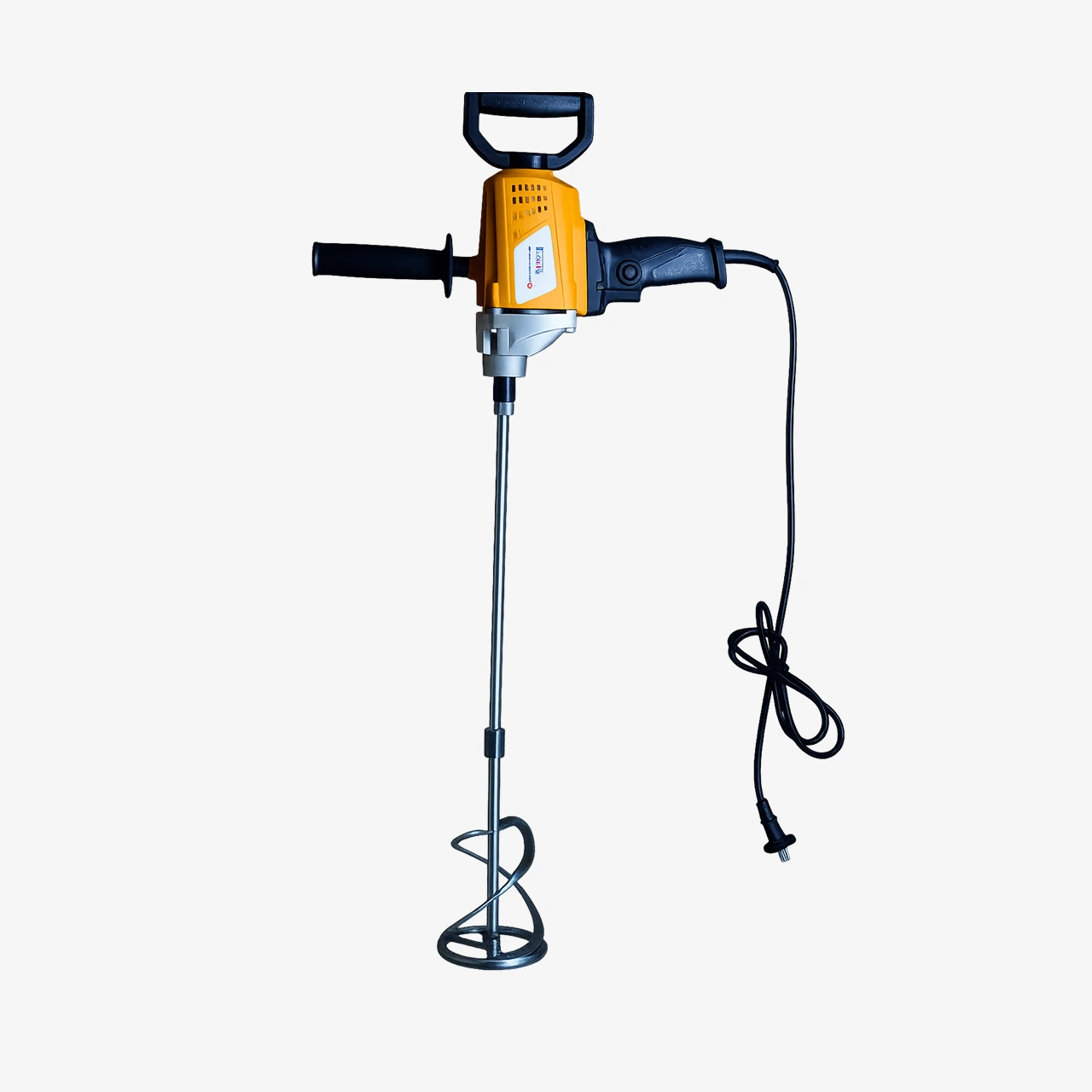
For large-scale villas and commercial projects, the spray paint machine is the undisputed king of speed. Airless technology atomizes the paint without air, allowing for a much thicker and more uniform coat compared to traditional rollers. For structural projects, ensuring correct waterproofing before spraying is vital for long-term adhesion.
HVLP vs Airless Sprayers
A HVLP paint sprayer is designed for high-precision fine finishes on wood and metal furniture. Conversely, an airless paint sprayer is built for volume, capable of painting an entire 3BHK interior in a single day with zero texture visible on the walls. At OnlinePaints.in, we provide certified Graco and Asian Paints mechanized systems to the highest technical specifications.
4. Surface Prep: The Foundation of Durability
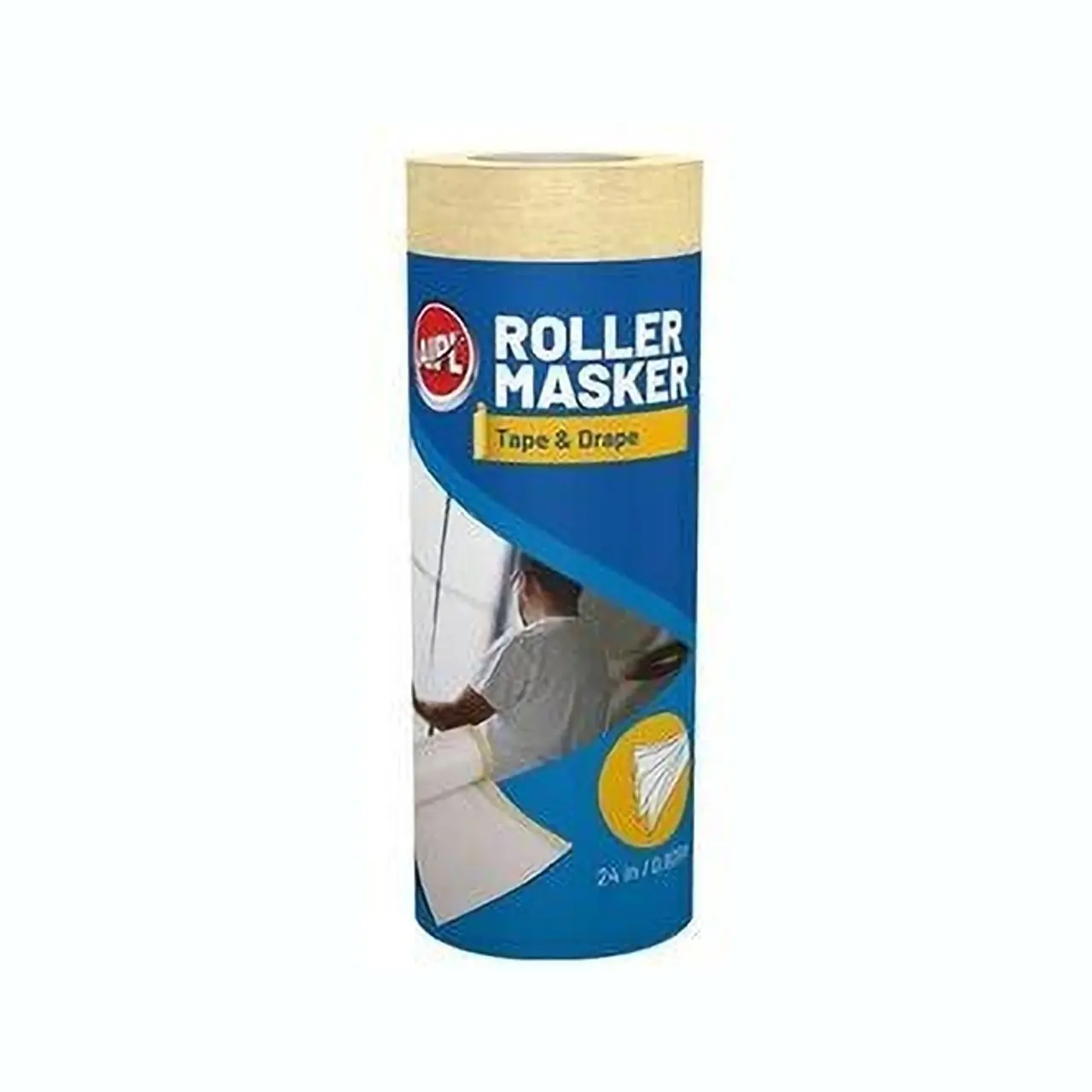
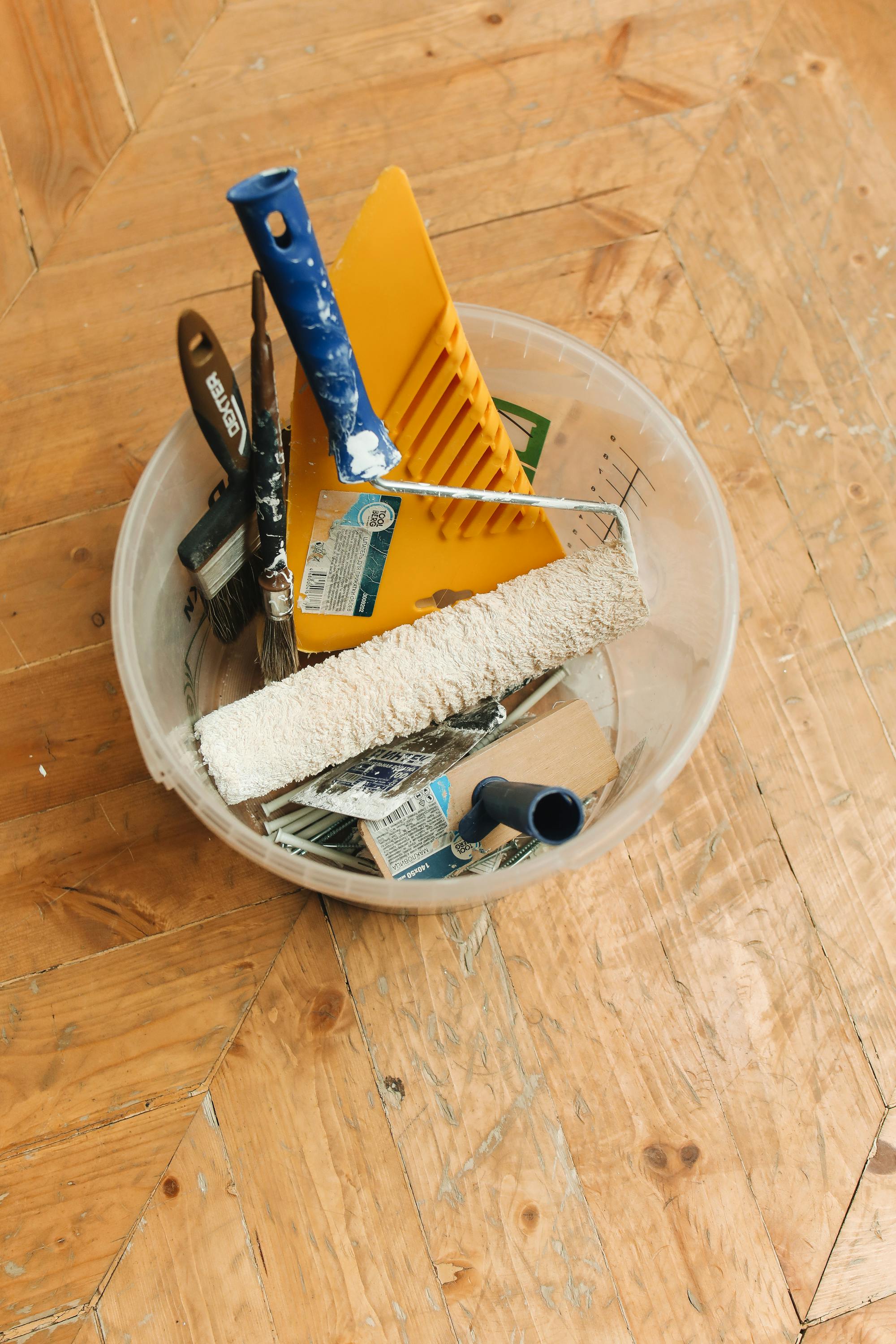
Even the most expensive paint will fail without professional preparation. Our toolkit includes electric sanders, high-grade waterproof wall putty applicators, and masking systems that ensure razor-sharp edges. Poor sanding is the #1 cause of “flaking” in Indian renovation projects.
5. Tool Care: Maximizing Your Investment
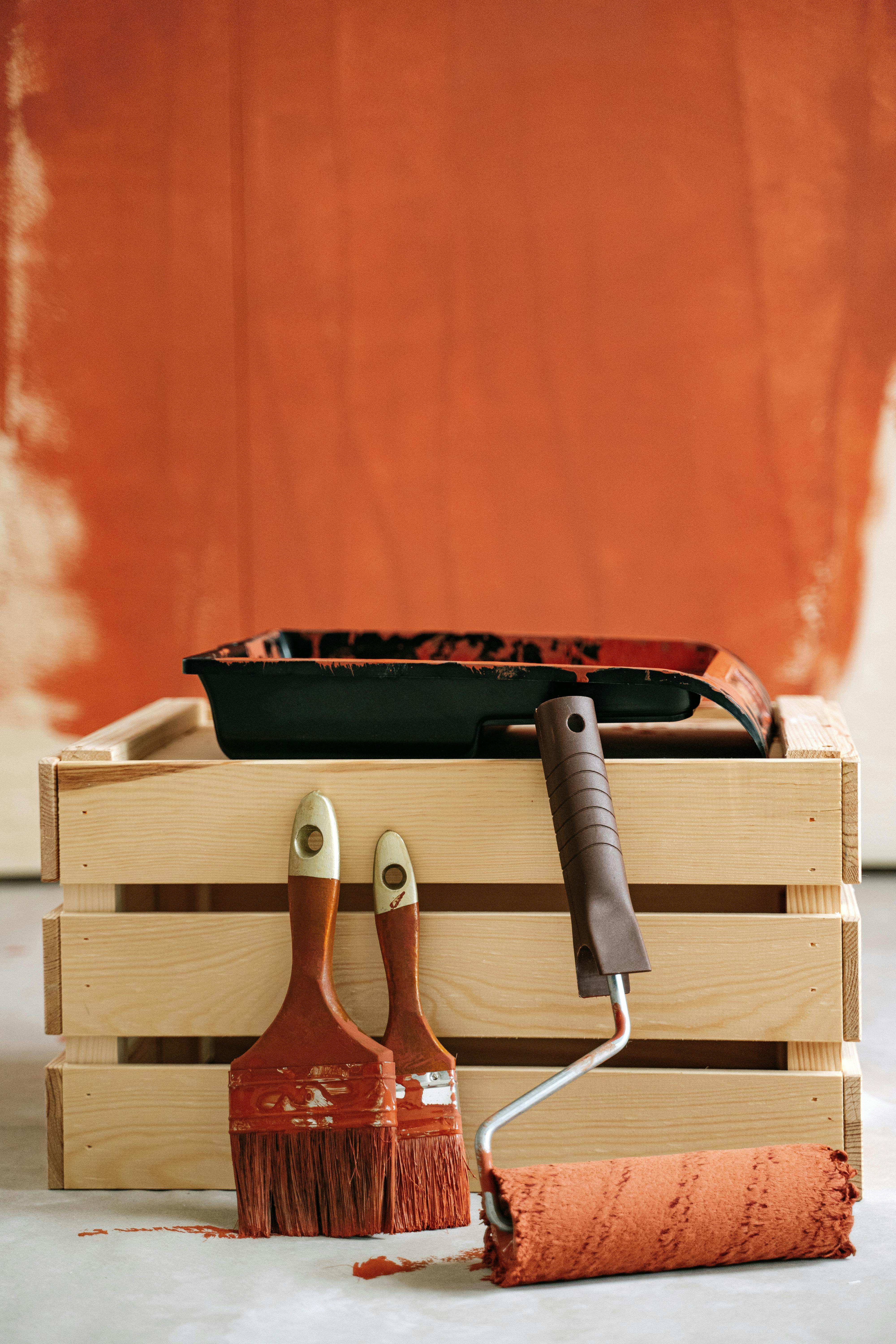
A professional paint brush price is an investment that can last years if properly maintained. Cleaning paint brushes immediately after use is mandatory to prevent paint from drying in the “ferrule,” which leads to bristle shedding. Refer to Bob Vila’s cleaning guide for advanced maintenance tips.

Master Tool FAQ
For high-sheen paints, a 10mm nap microfiber paint roller is best. It ensures a smooth, glassy finish without leaving heavy roller marks.
Always soak new brushes in water (synthetic) or linseed oil (natural) before the first use. Additionally, avoid washing paint brushes in boiling water, as it can dissolve the adhesive holding the bristles.